
Archive of Deep Time
This work is an archive of two speeds.
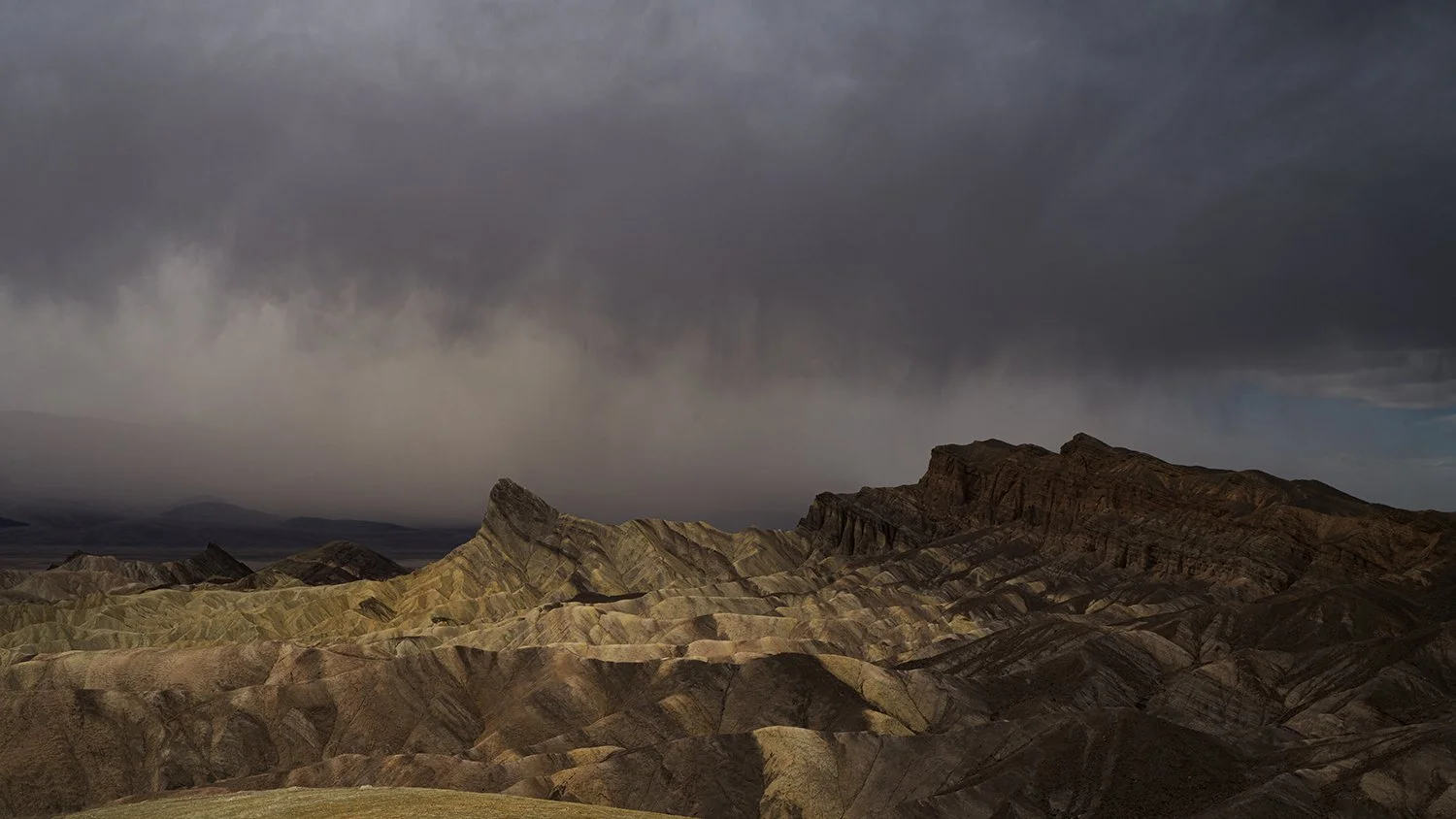
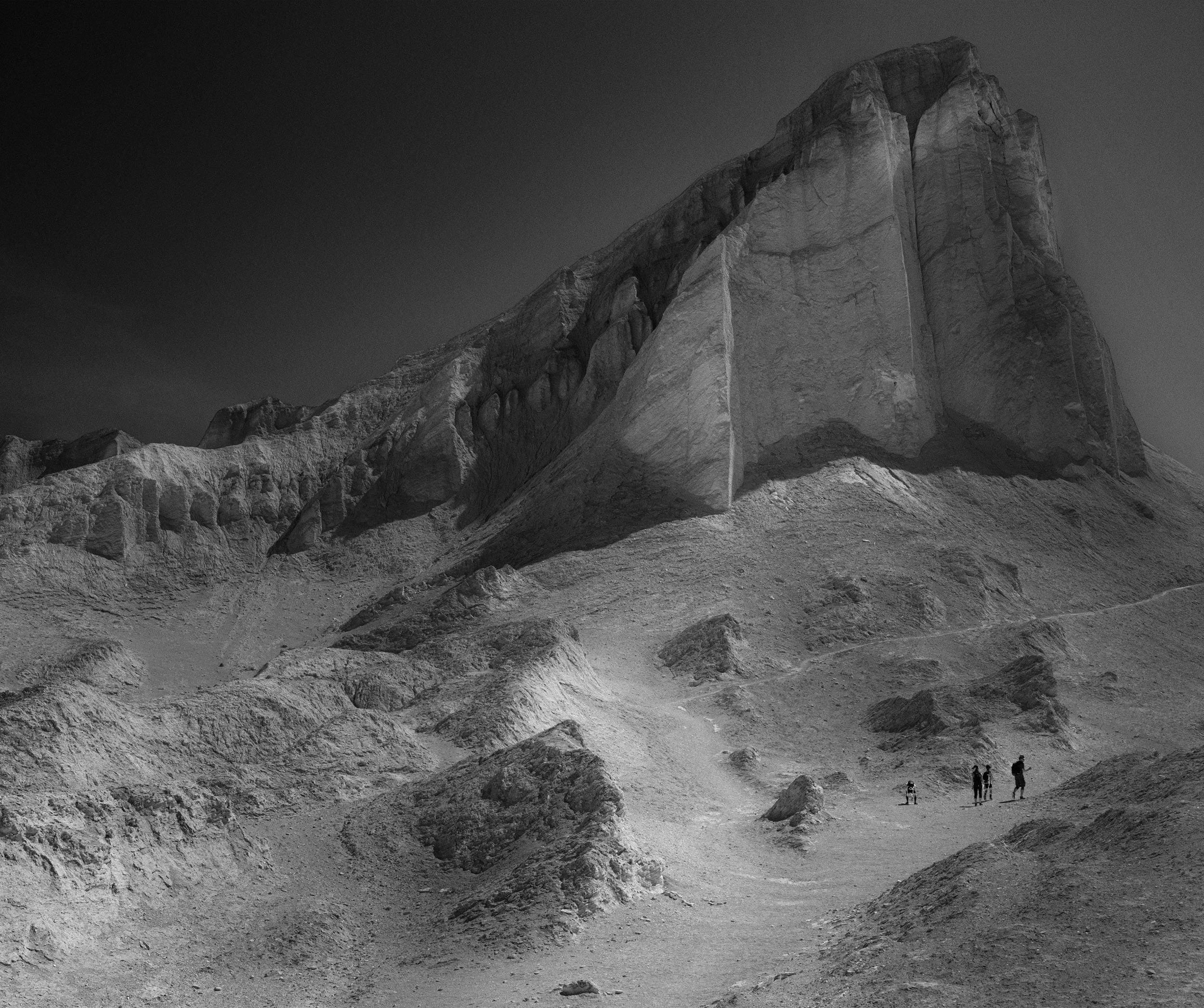
The slow record is geological. Across the Mojave and the Colorado deserts, rock is made in eruptions, buried, folded, cracked by heat, stripped by wind, then dissolved and re-deposited as salt on the floors of lakes that no longer exist. That process has not finished. Nothing in this landscape has finished. I photograph it not as scenery but as evidence — surfaces that carry their own history the way a page carries ink, and that cannot be read quickly.
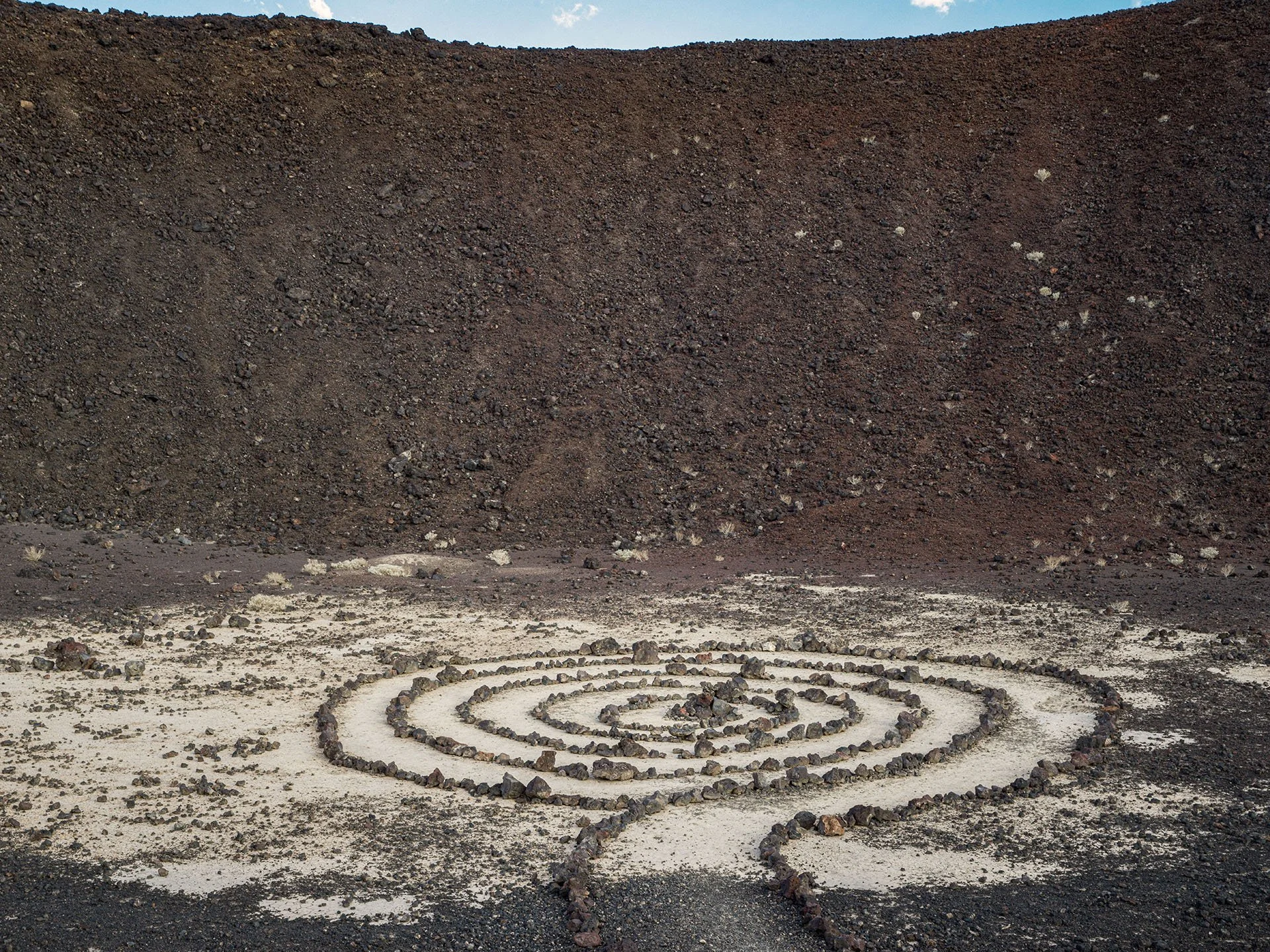
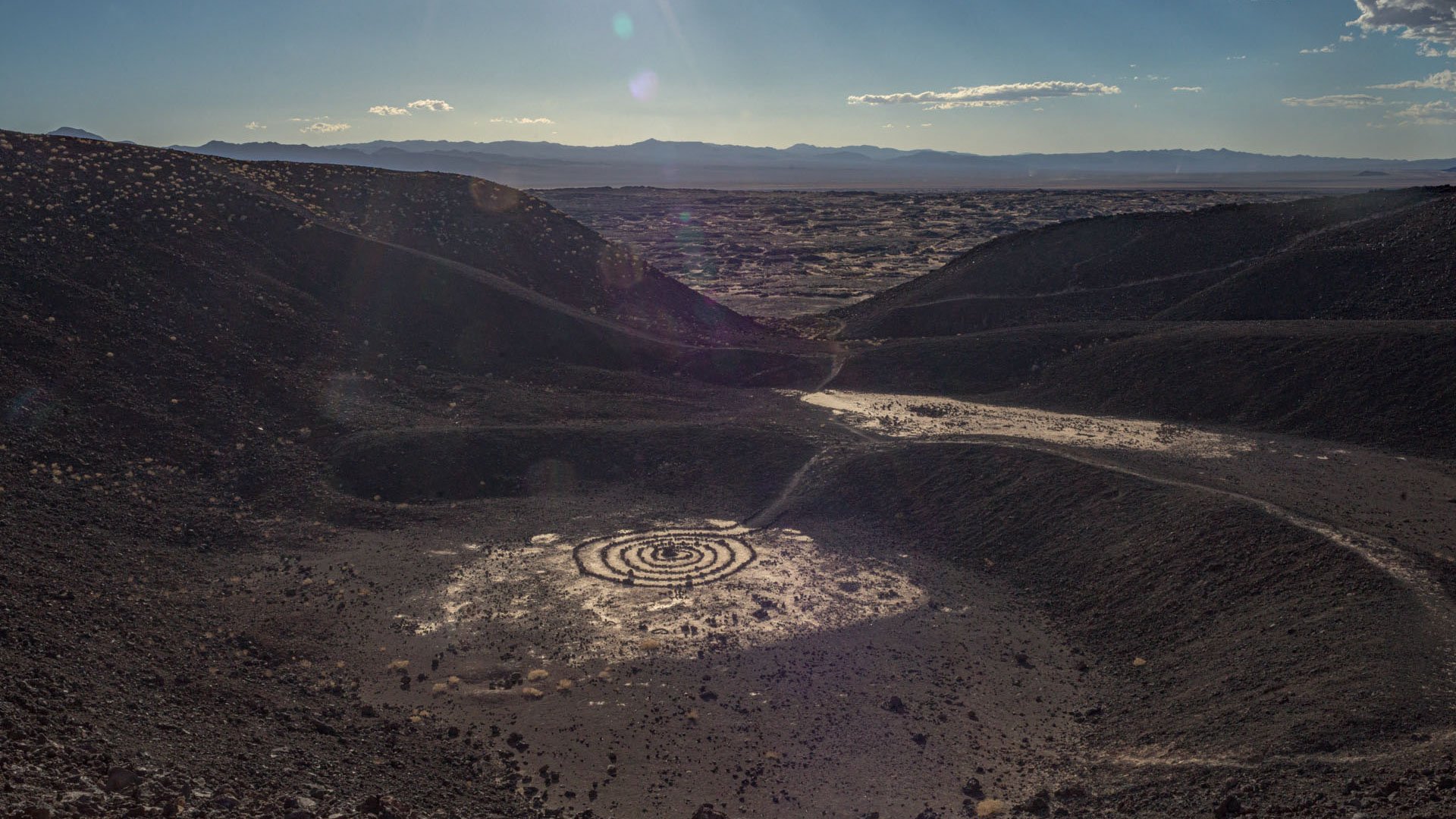
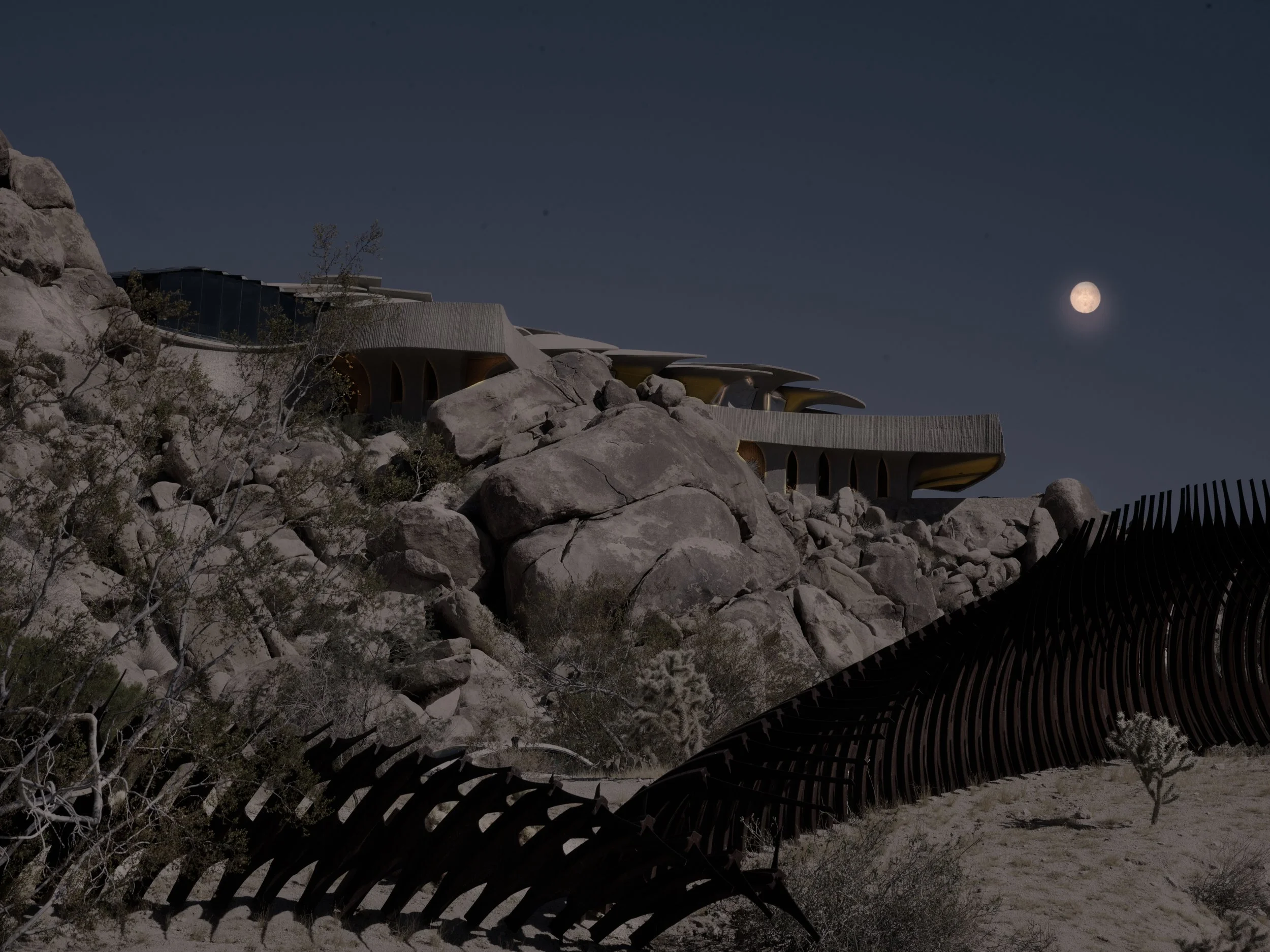
The fast record is ours. The same terrain holds homestead cabins with their walls shot through, an armchair spray-painted and abandoned on a dry lake bed, a washing machine bound in thorn, a fence of sharpened steel drawn across granite older than the mountains behind it, a labyrinth laid stone by stone on a cinder field, a freight train crossing a basin on a line of light. I do not treat these marks as interruptions of the geological record, and I am not mourning them. They are its newest deposit — the layer currently forming, and the only one still open.
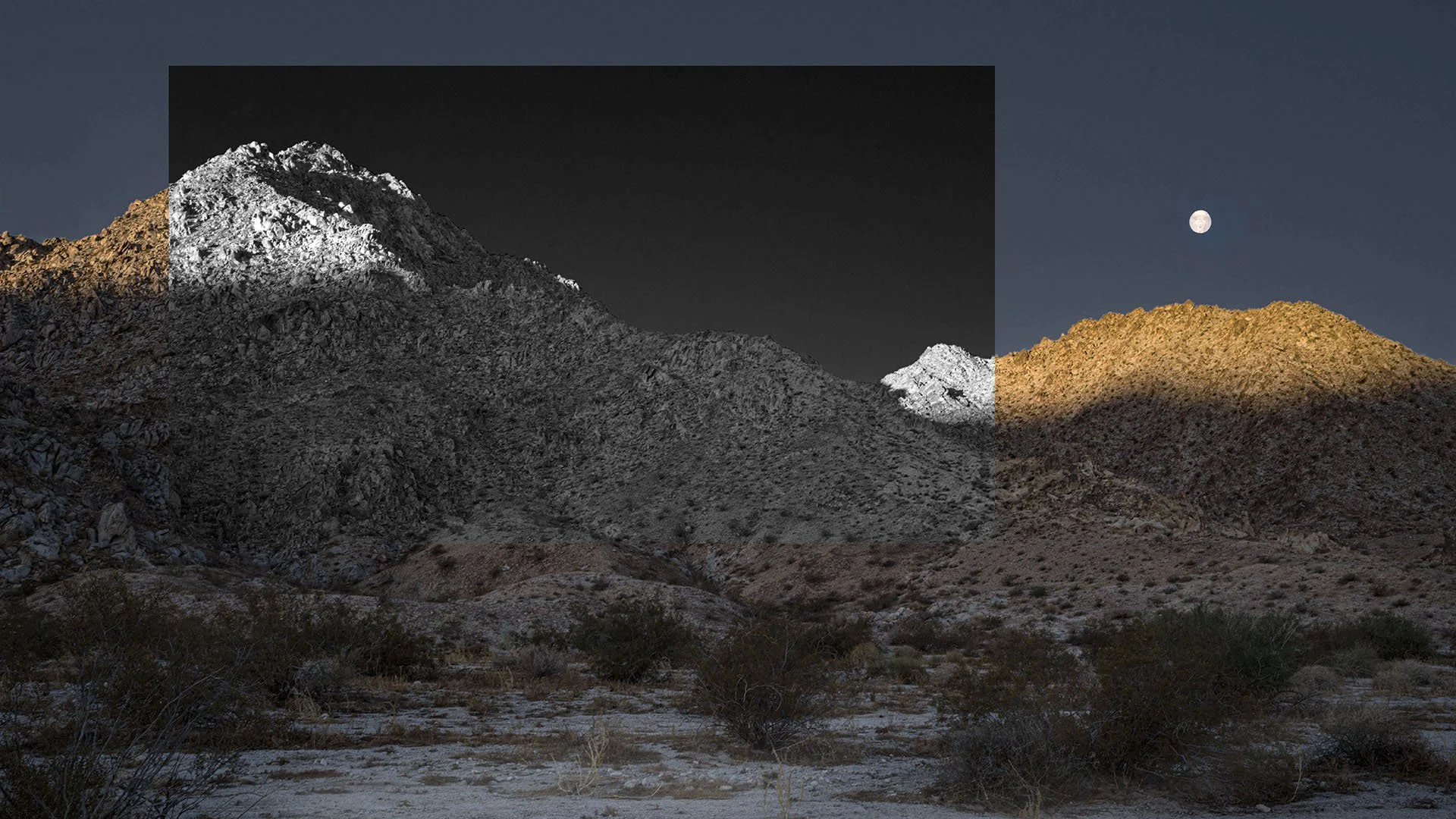
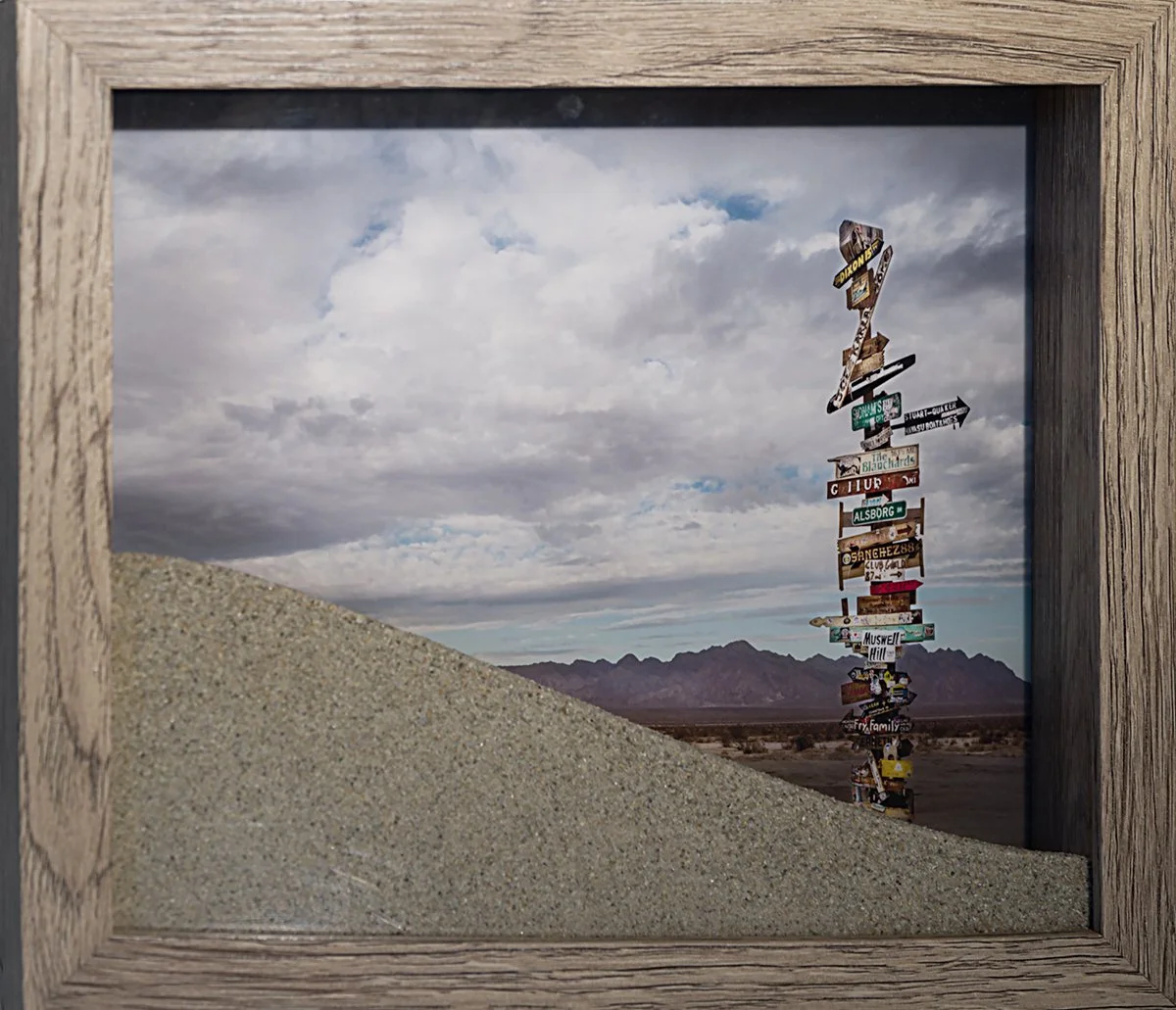
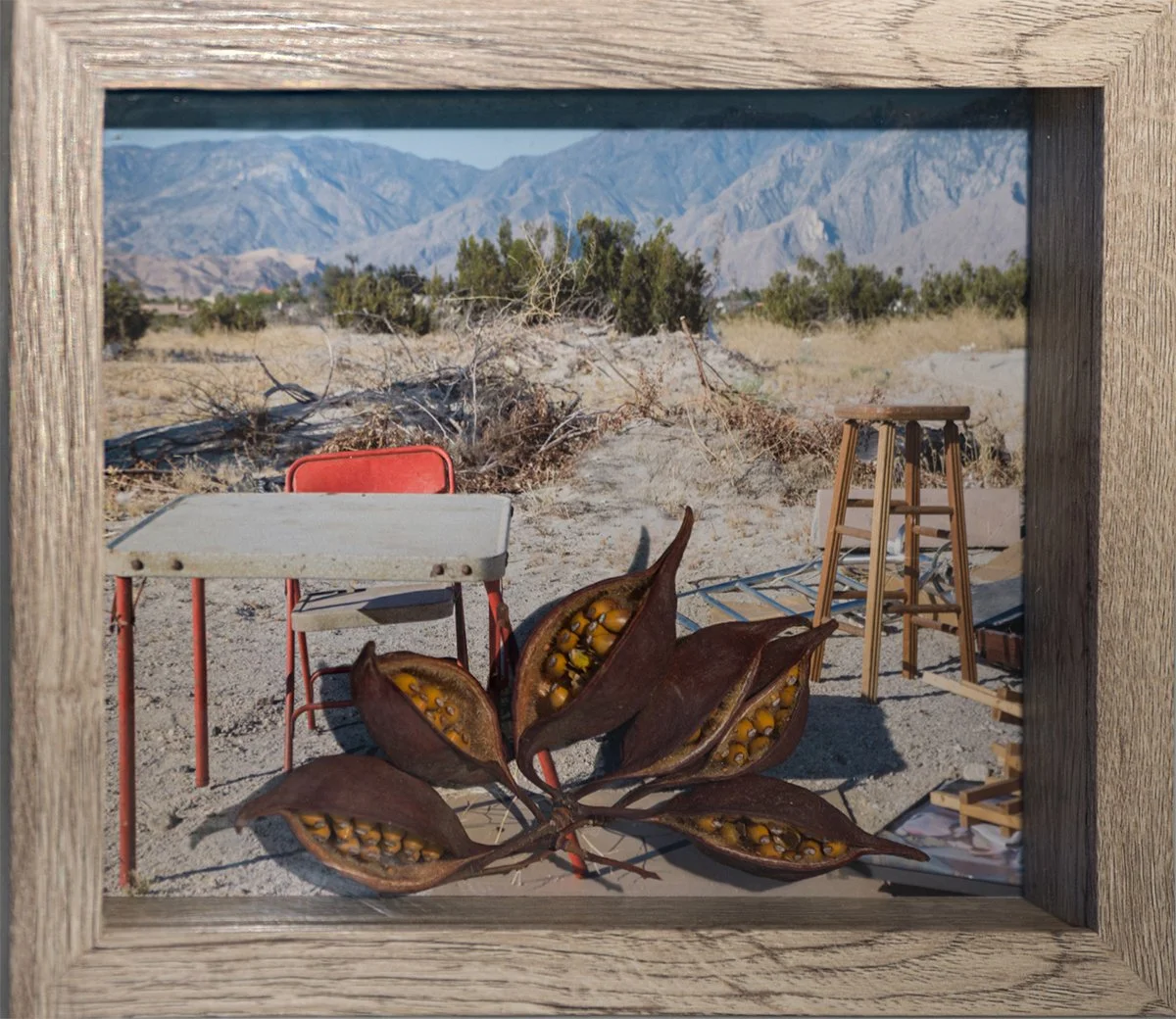
The works are shadow boxes: photographic fragments, found materials, and sculptural space compressed into shallow containers. The form comes from Joseph Cornell's mid-century assemblages, from the way he turned containment into contemplation, but the interior here is geological rather than poetic. Each box is a microcosm in which millions of years are pressed into a few inches of depth, where strata, cast shadows and photographic planes stand in for fault lines, sedimentary beds and vanished seas. Photography inside them is not documentation but excavation — images are layered, obscured and fractured, and sometimes cut open so that a real object can sit in the same space as the landscape it came from. What the camera cannot carry, the box carries. One piece refuses the box altogether and suspends its photographs from a dead branch instead, holding the same materials in the open air.
The archive has an order. It begins with rock being made and unmade, moves through the dried basins of the vanished sea and whatever still lives at their edges, then into the human trace, and ends inside the constructions themselves — one direction, from a planet without us to the evidence that we were briefly here.
What I am after is a slow attention: the moment when emptiness stops reading as absence and begins to read as accumulation. These are not records of particular places, but attempts to make duration visible — and to put the observer inside it rather than in front of it. The desert is not a backdrop against which human time happens. It is the medium that is recording us, and it is keeping our things.

Specks
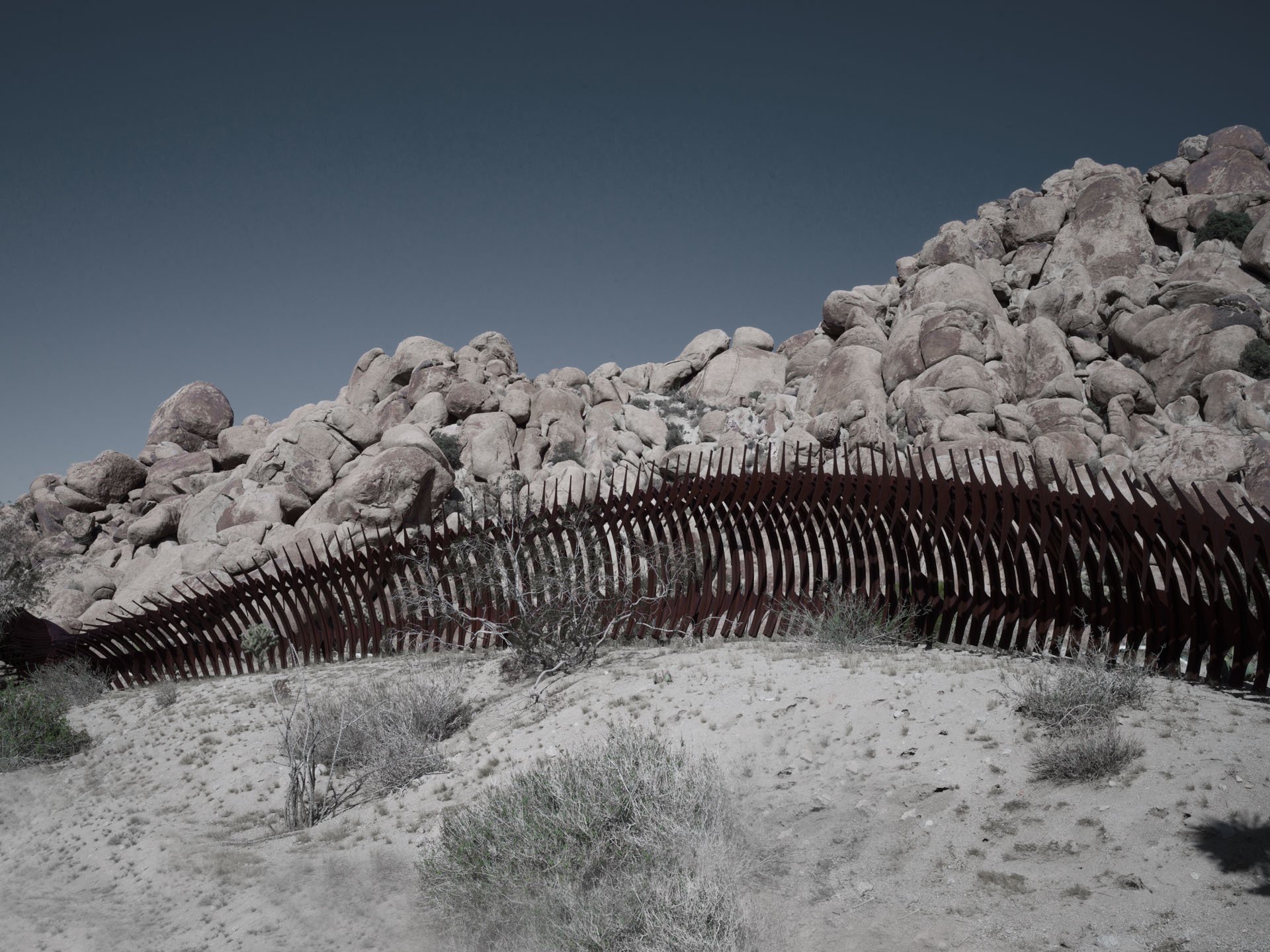
Spine
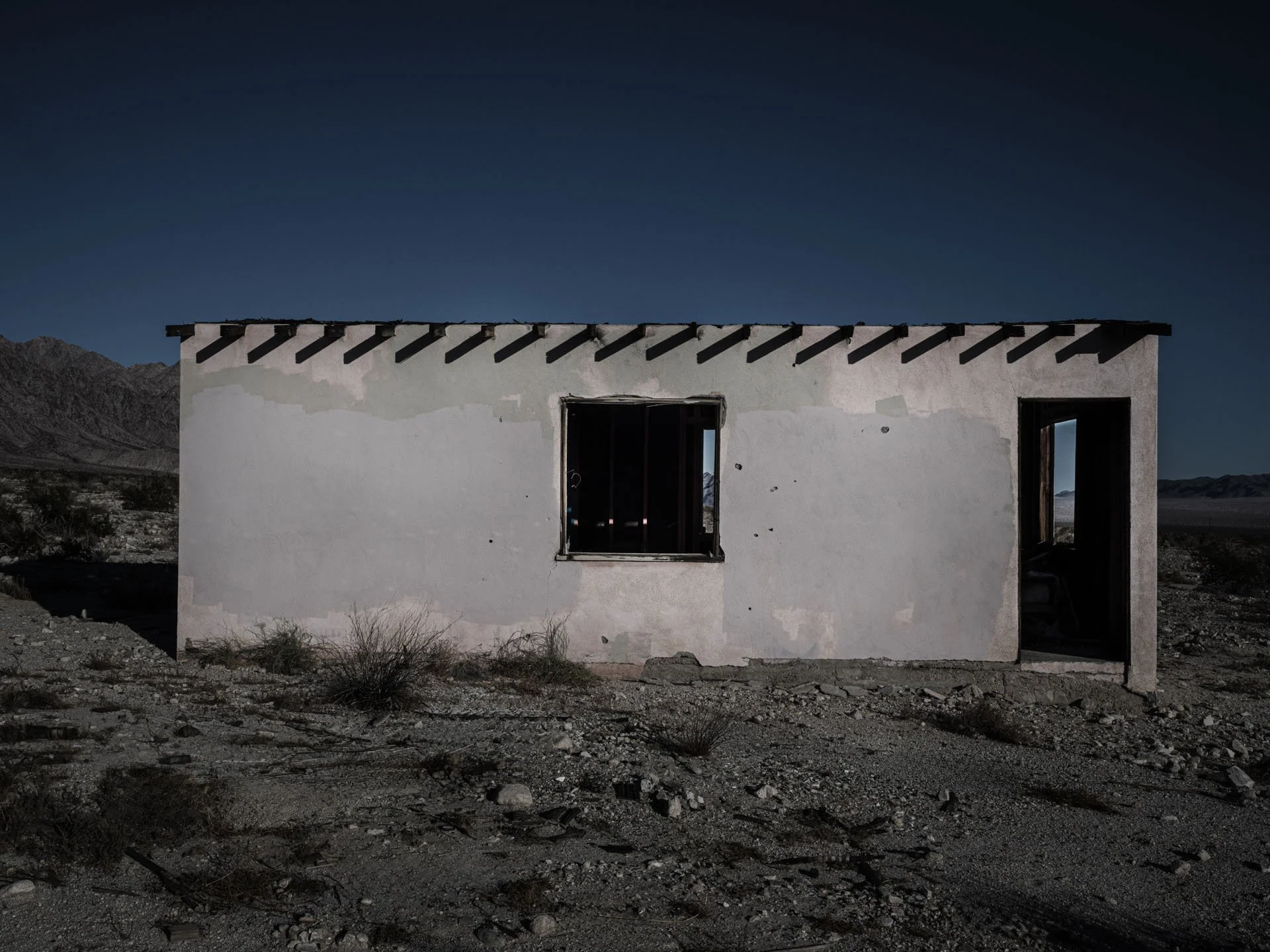
Homestead with Bullet Holes
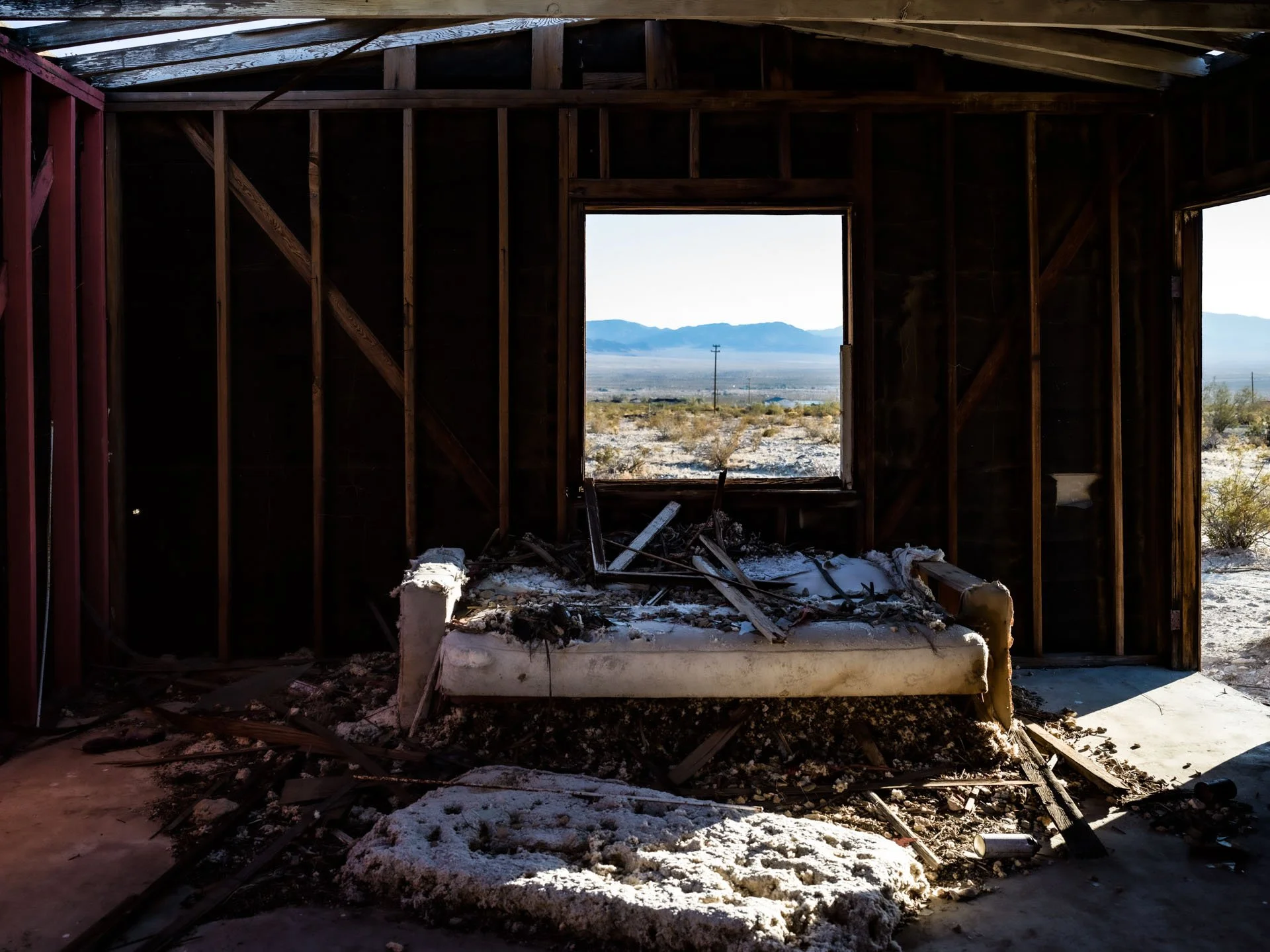
Room with a View
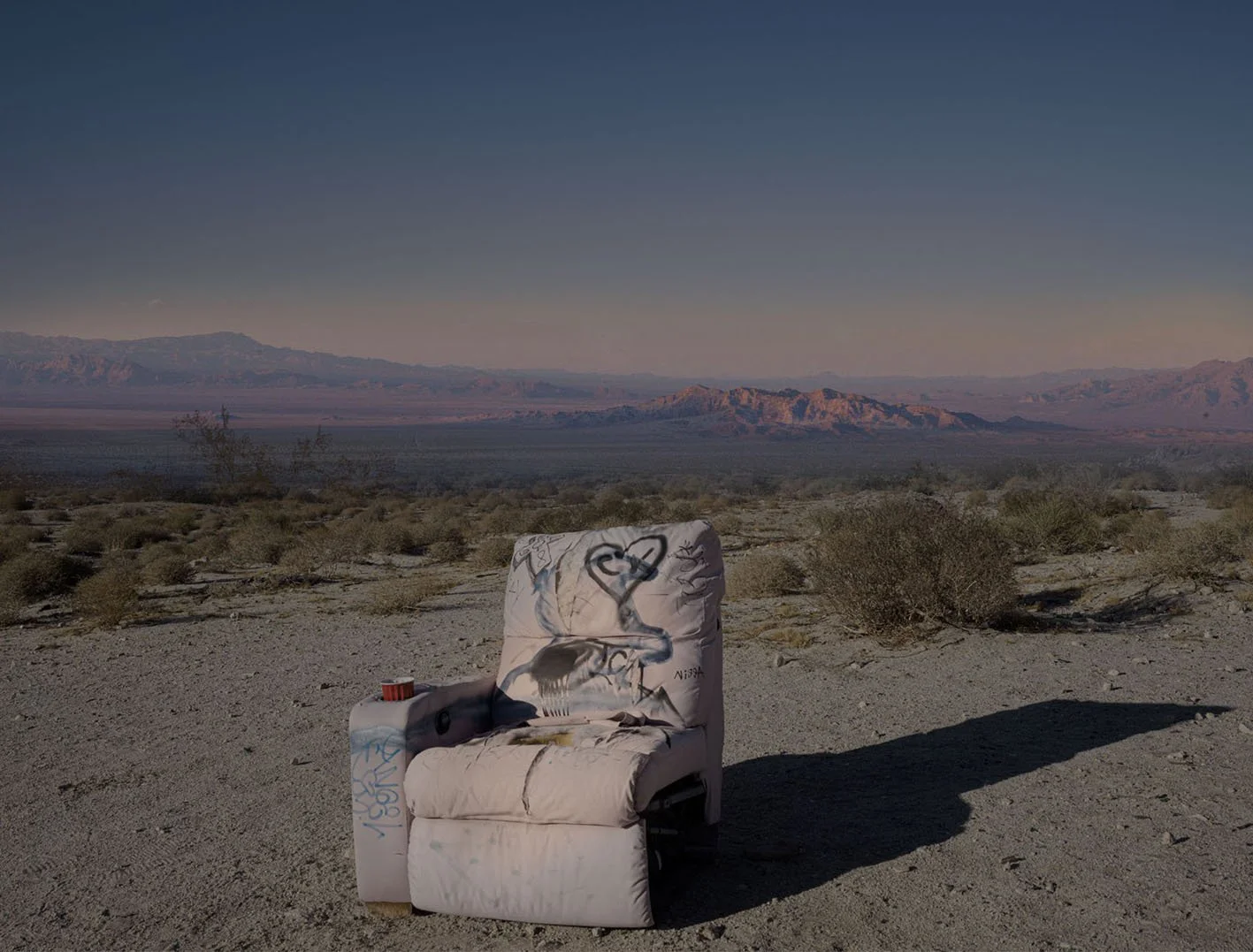
Pink Chair Red Cup
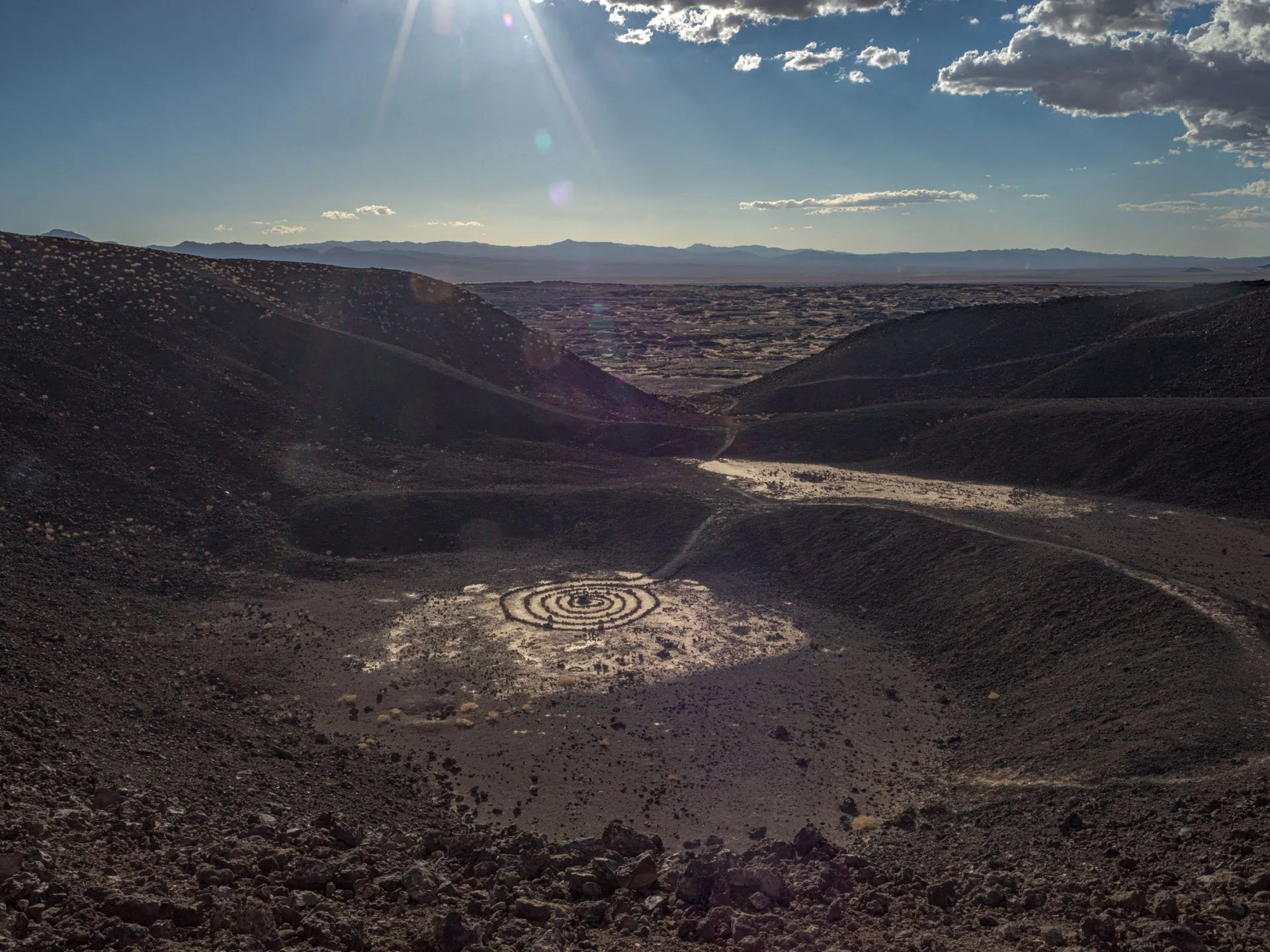
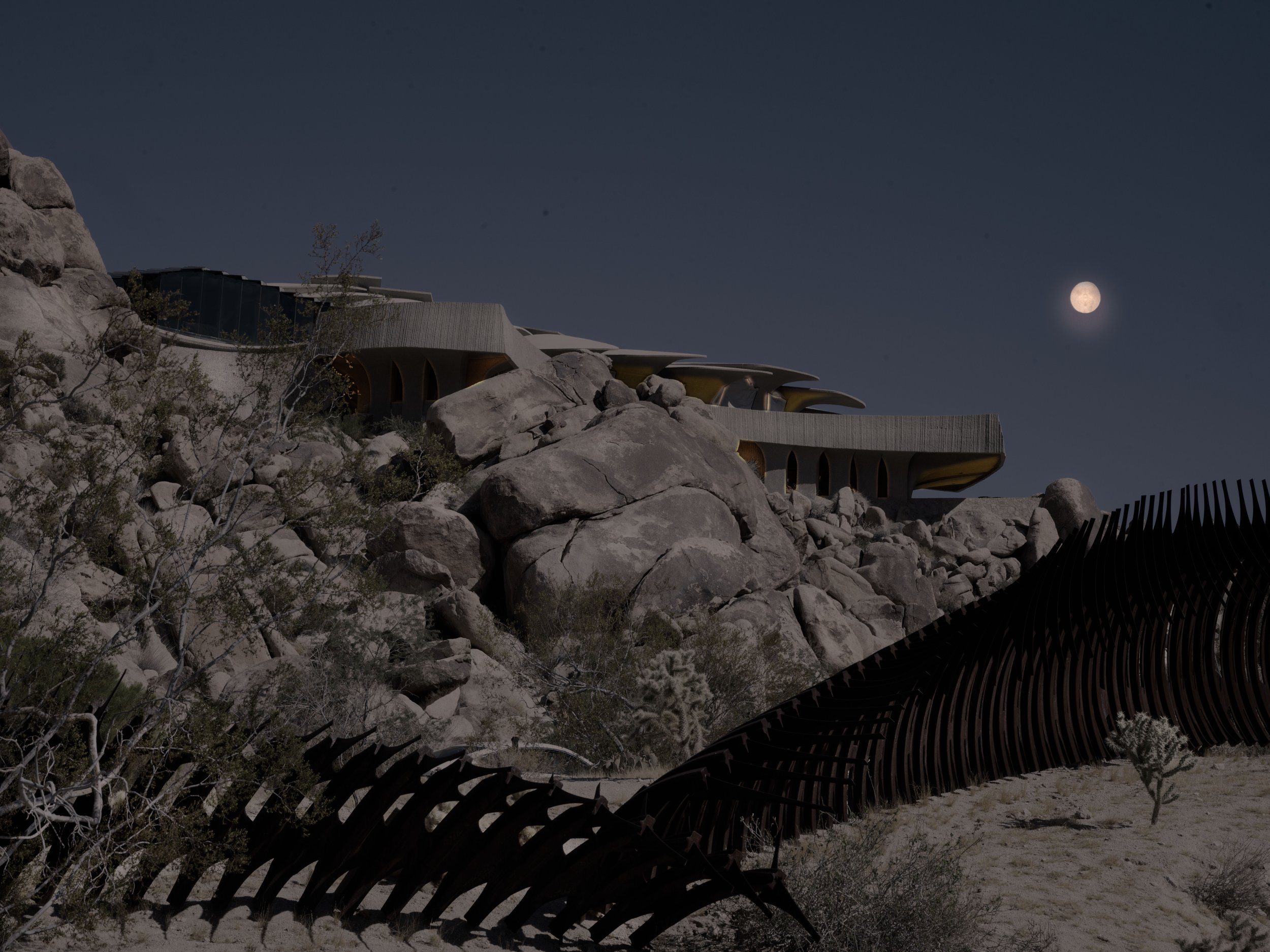
Desert Home
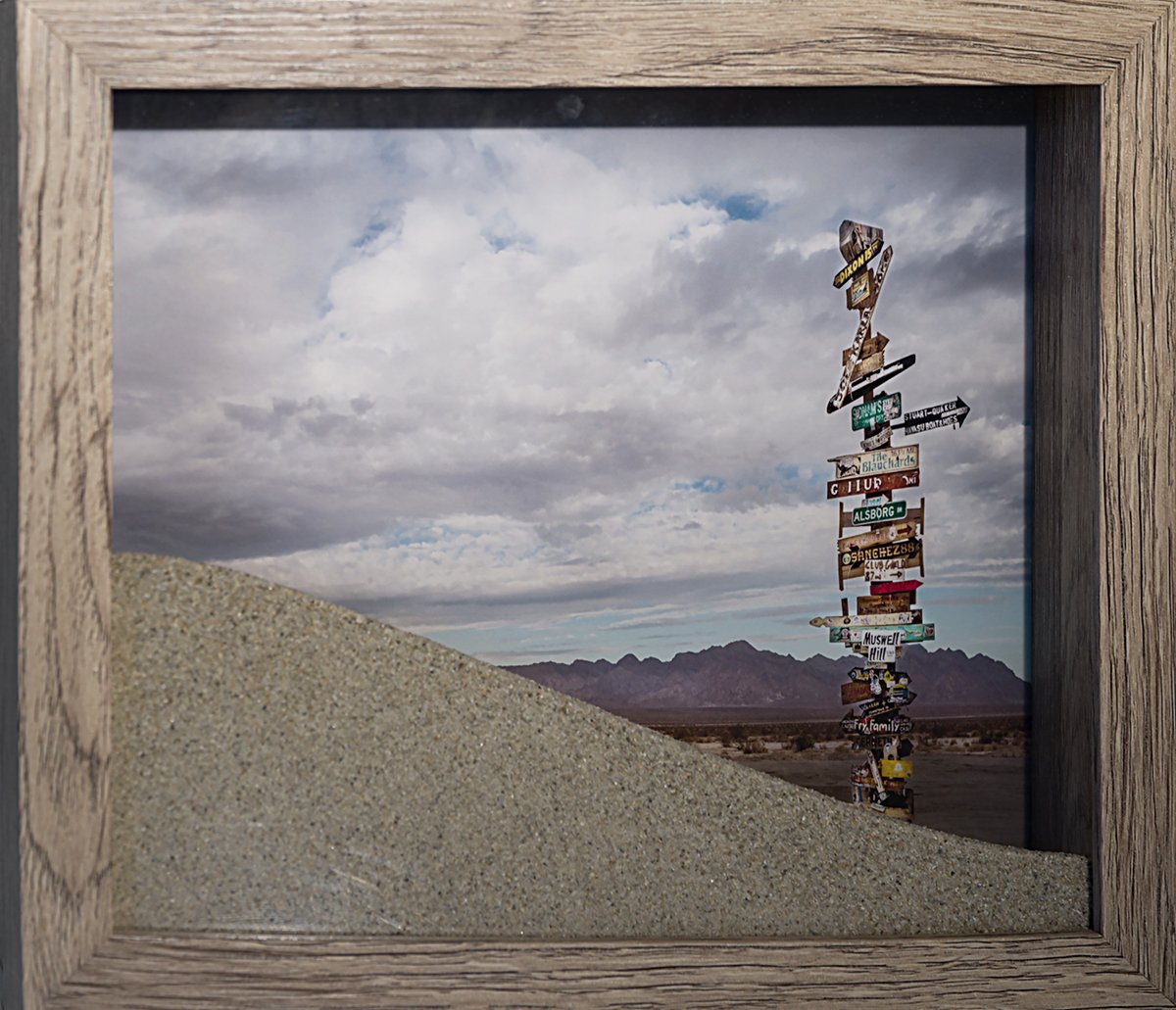
Mojave Directions
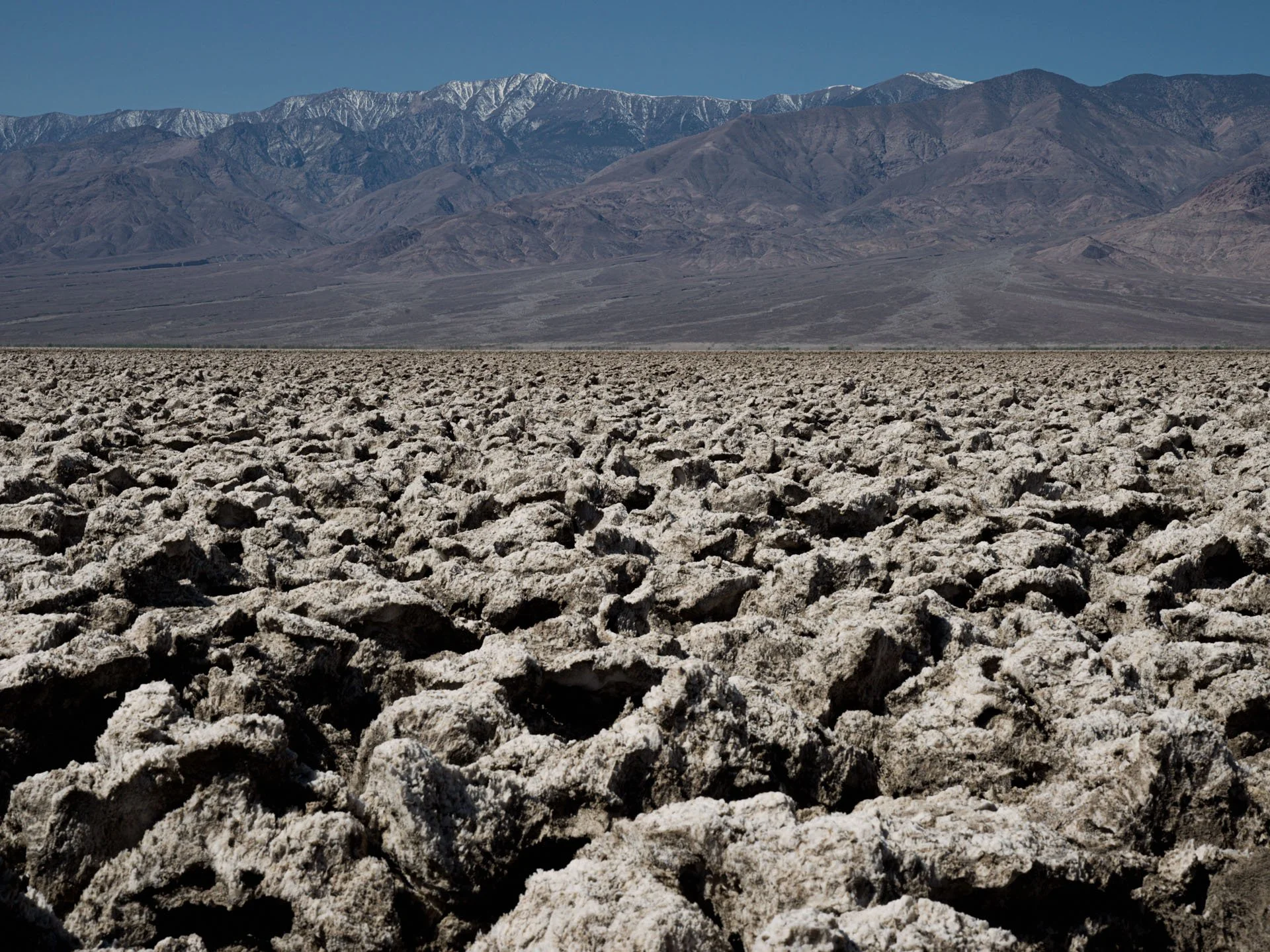
Salt Spires
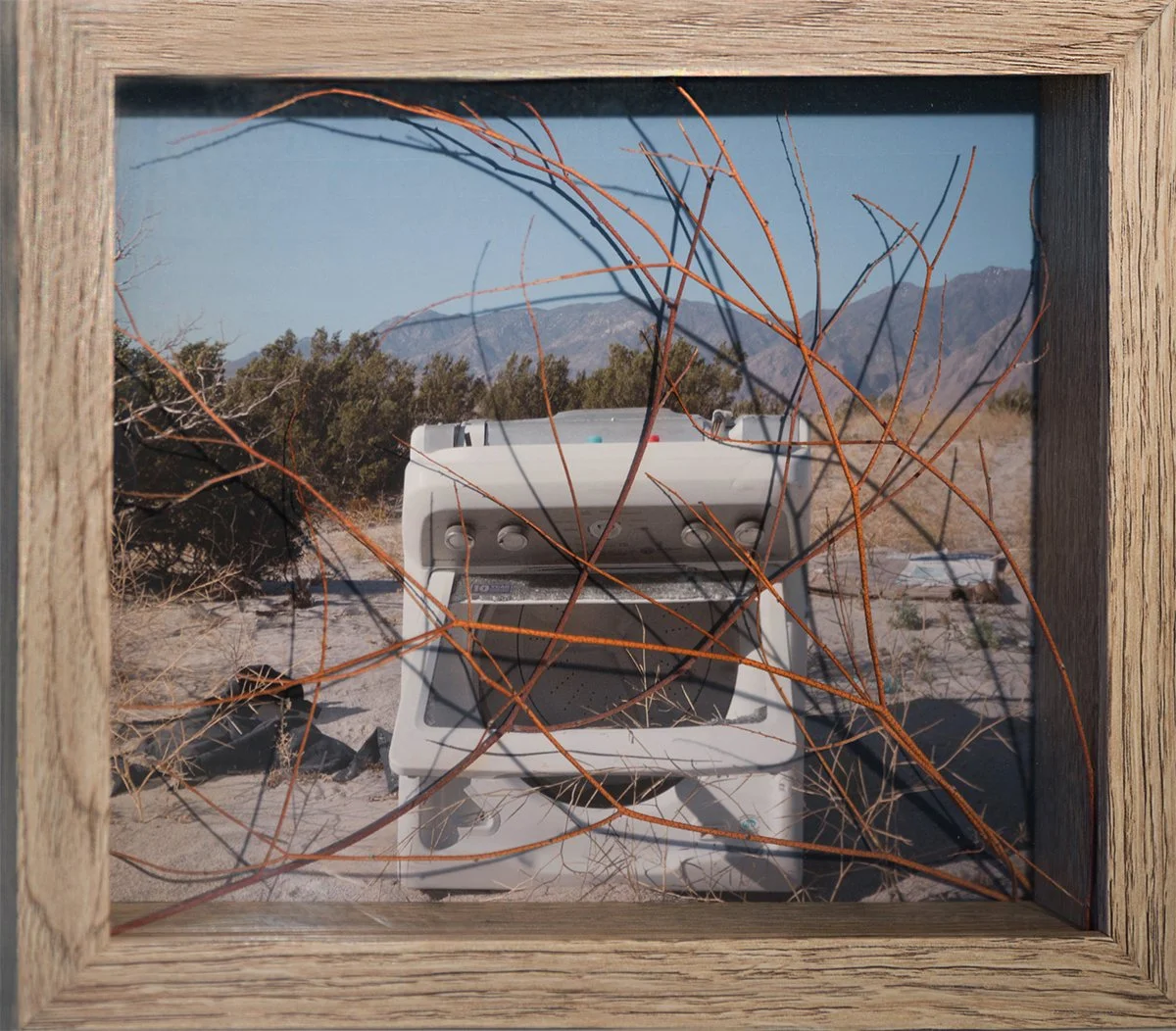
Wash and Dry
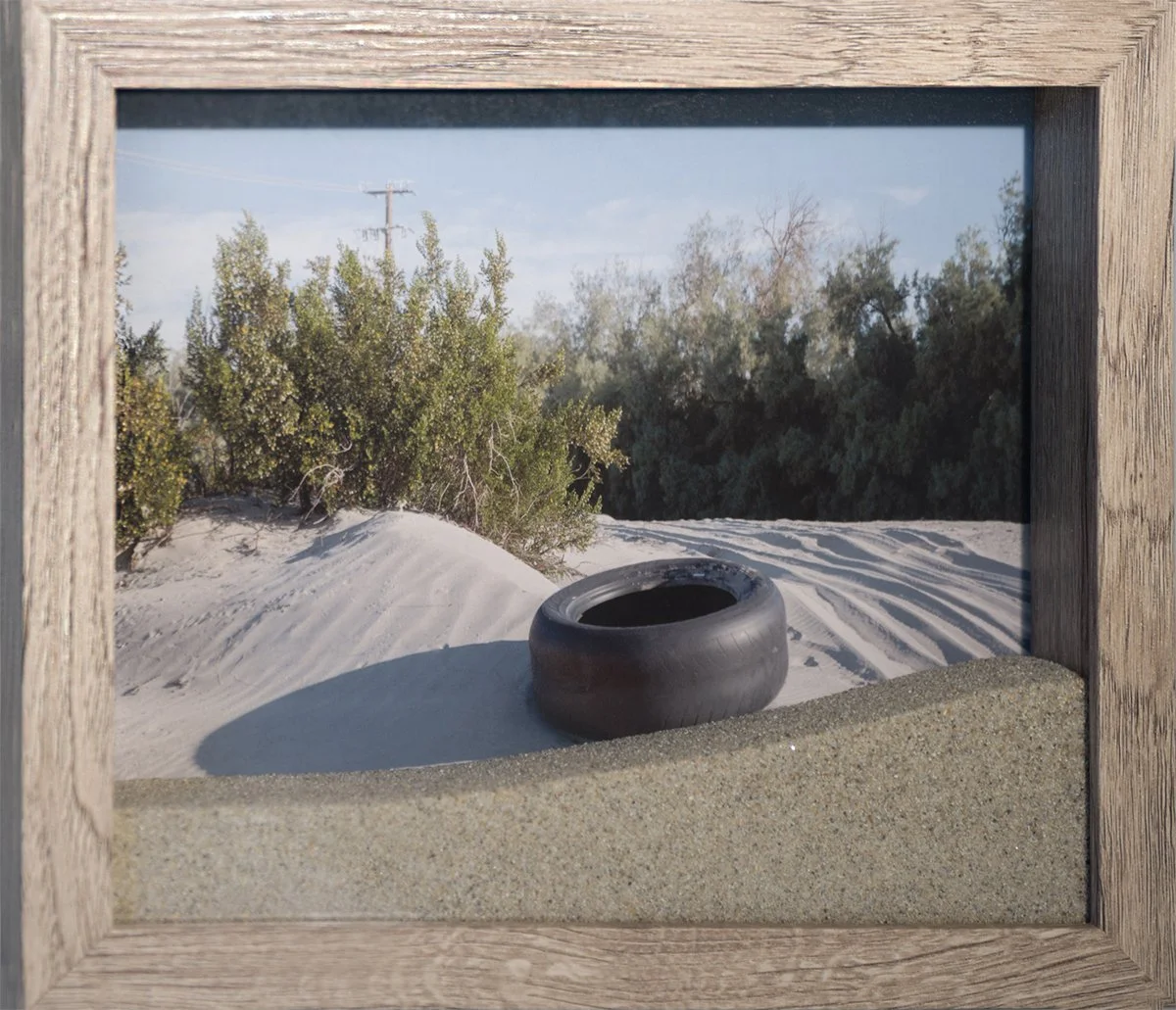
Tire
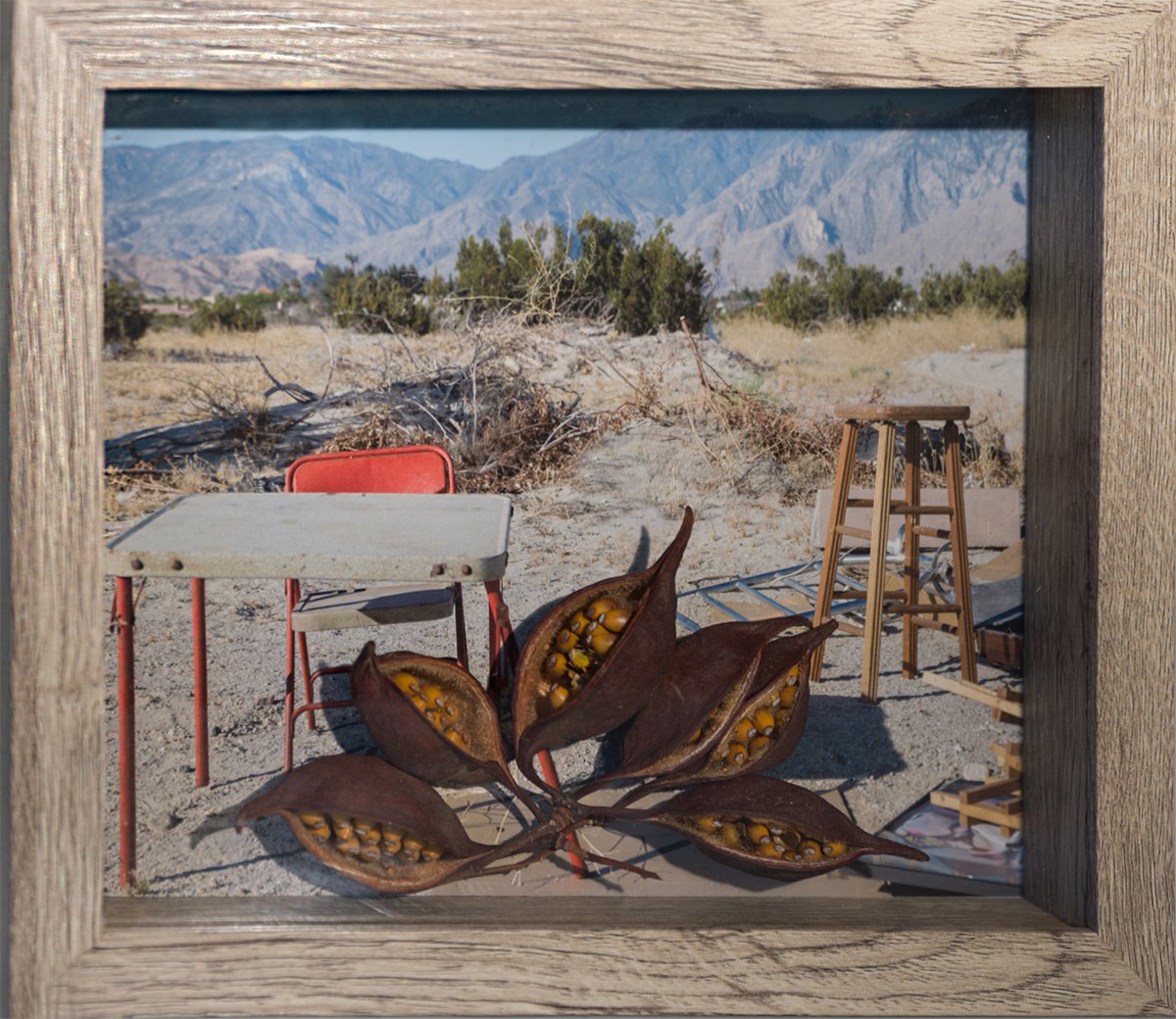
Kitchen
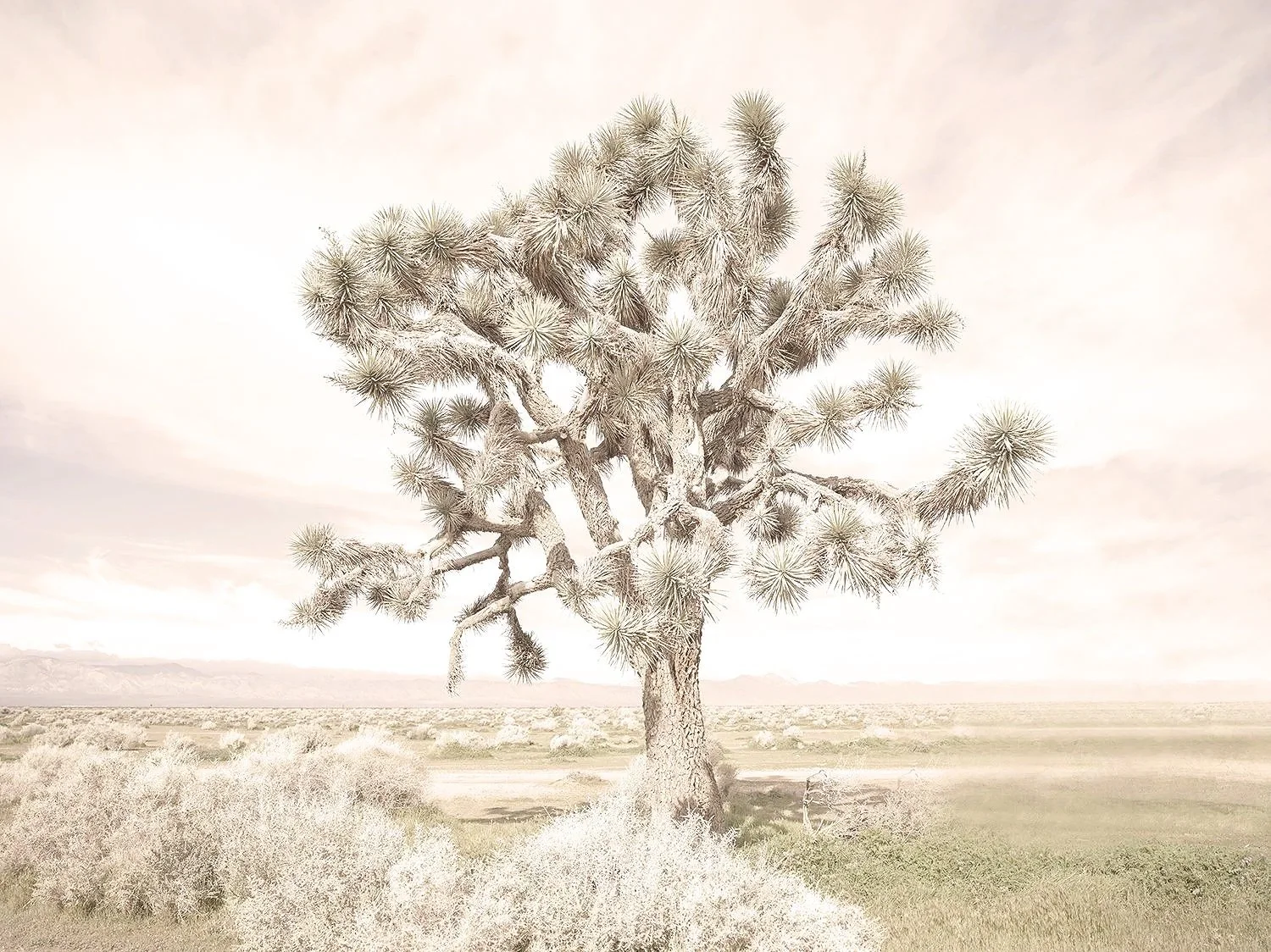
Desert Giant Sepia

Intersection
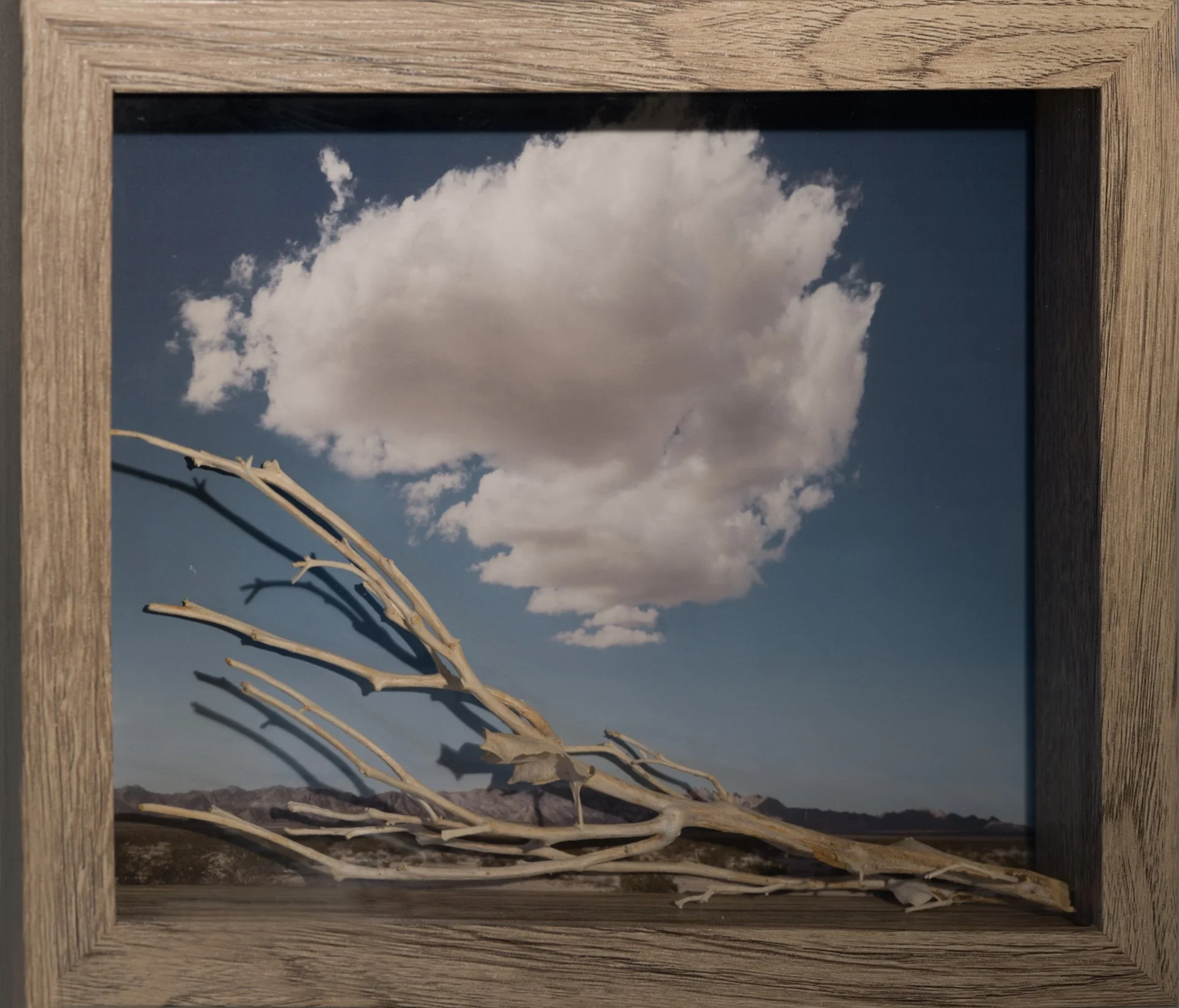
Magritte
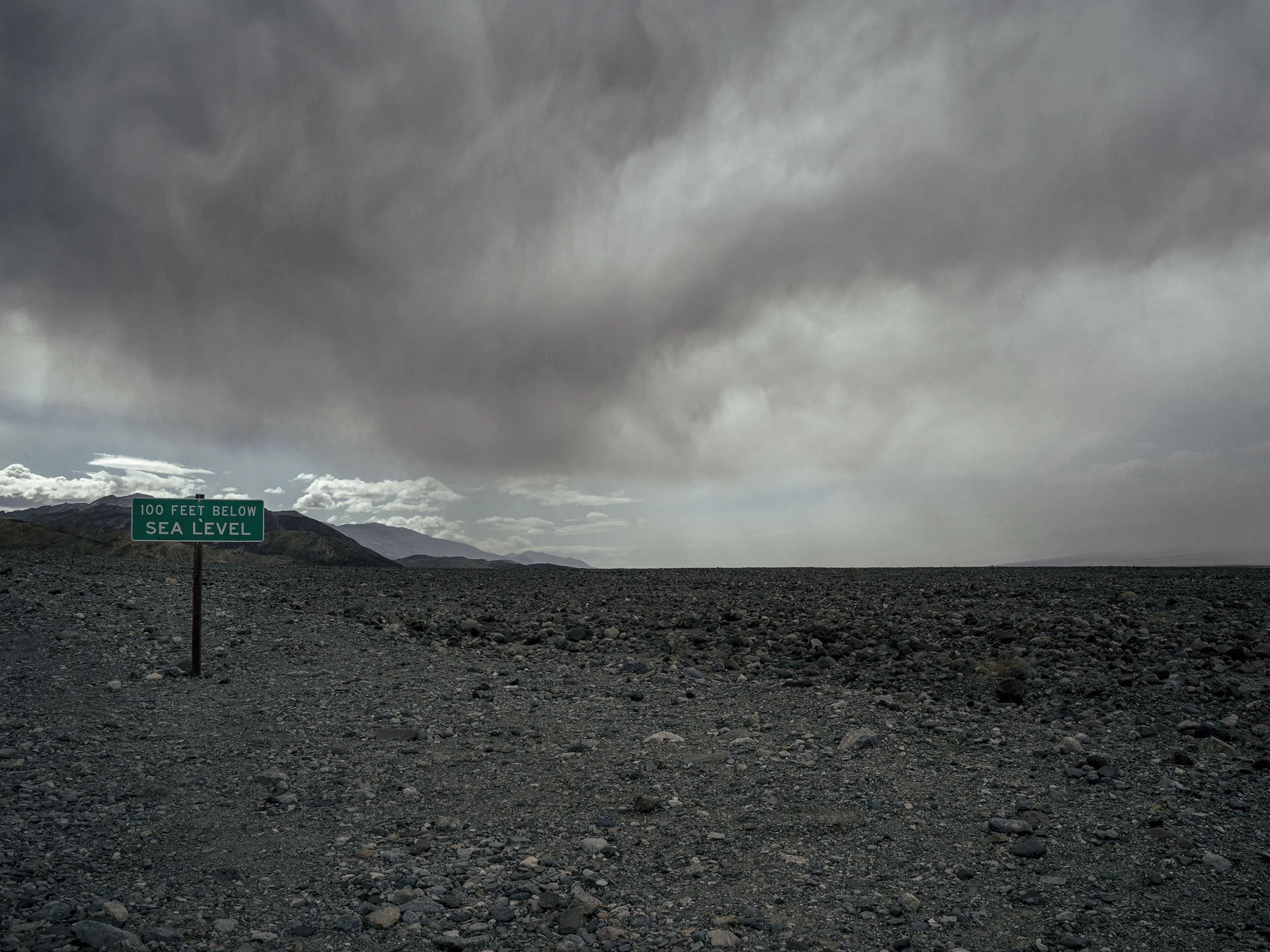
Under Water
Zabriskie
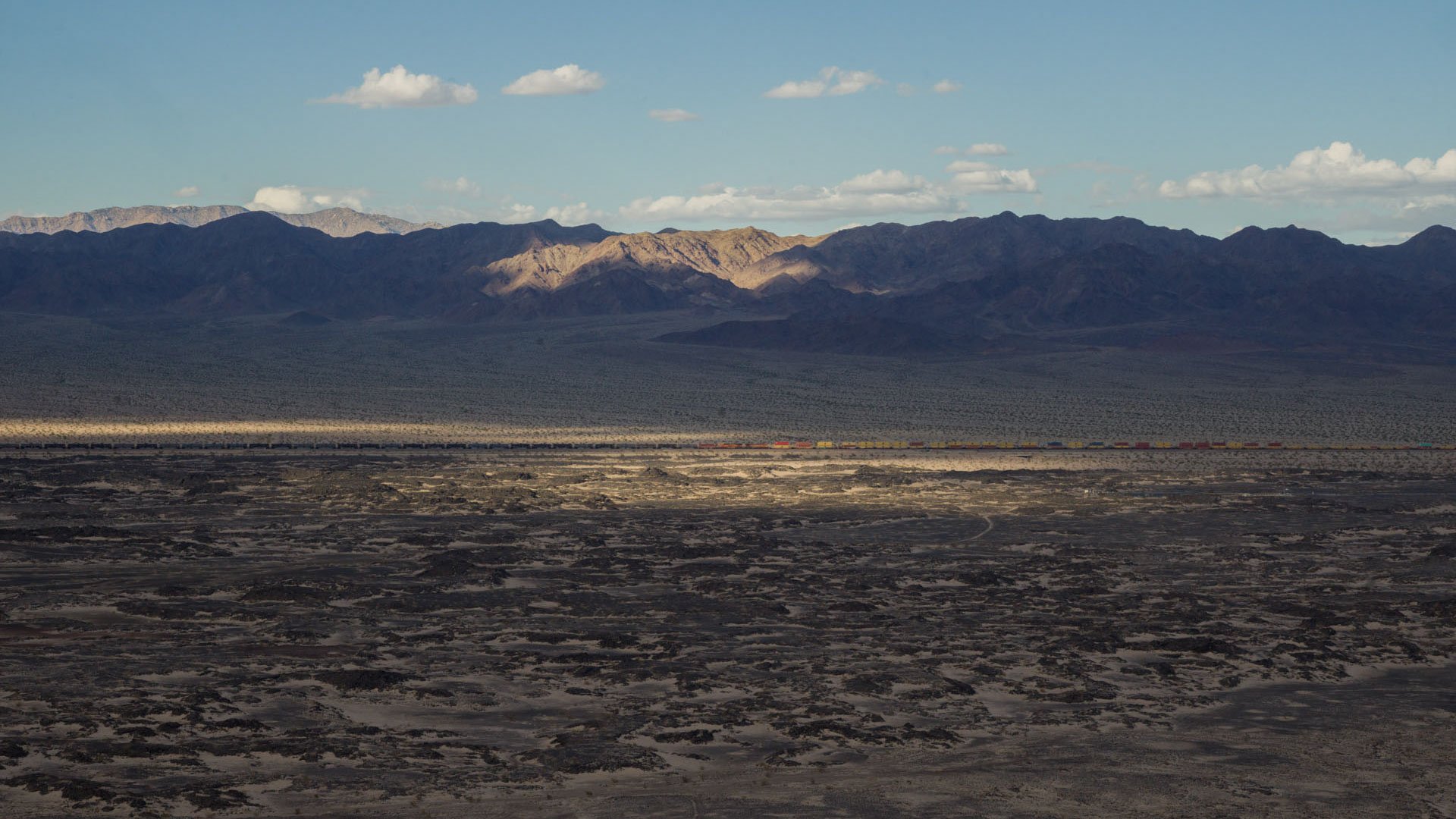
Freight
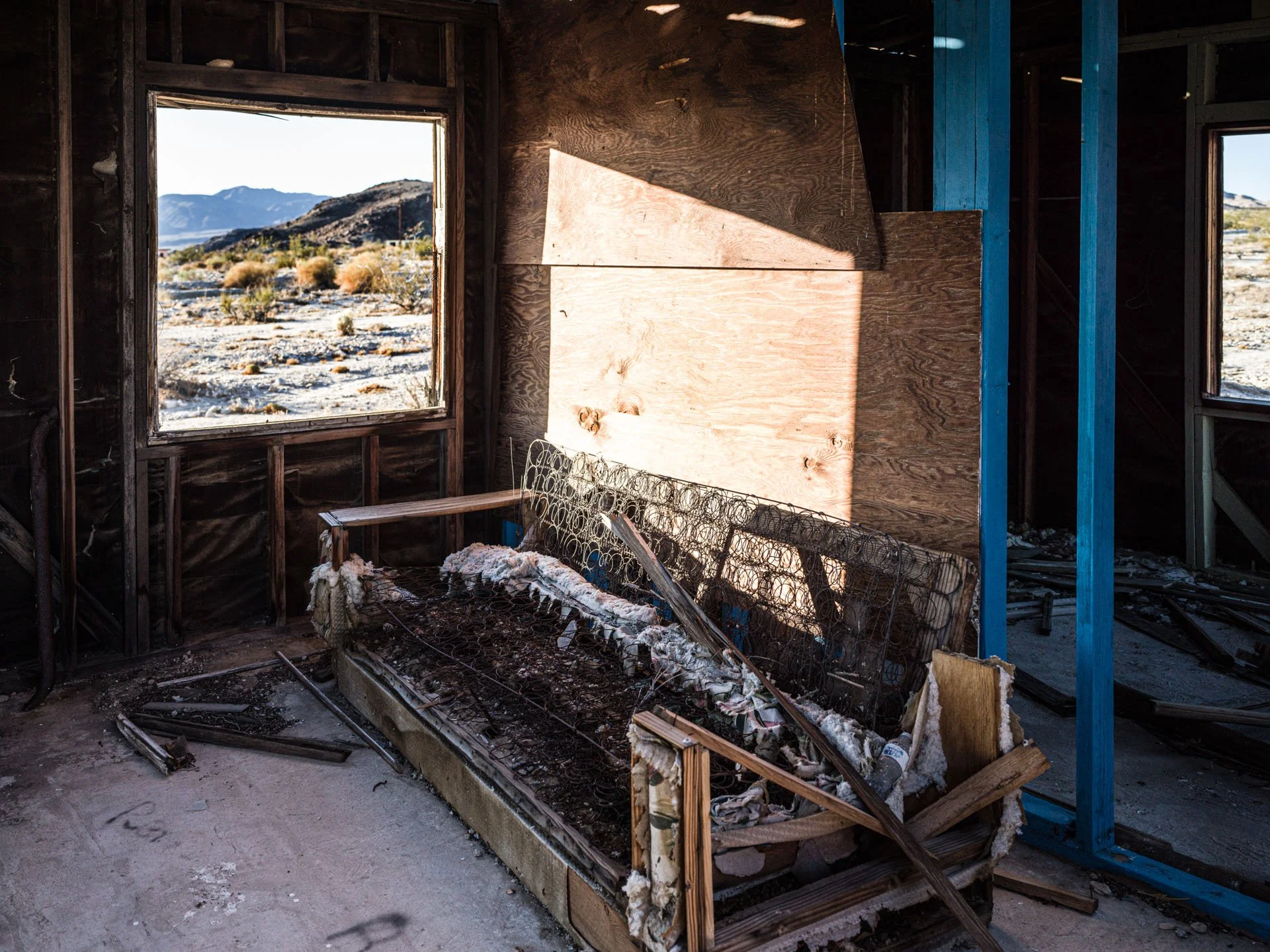
Interior with Blue Studs
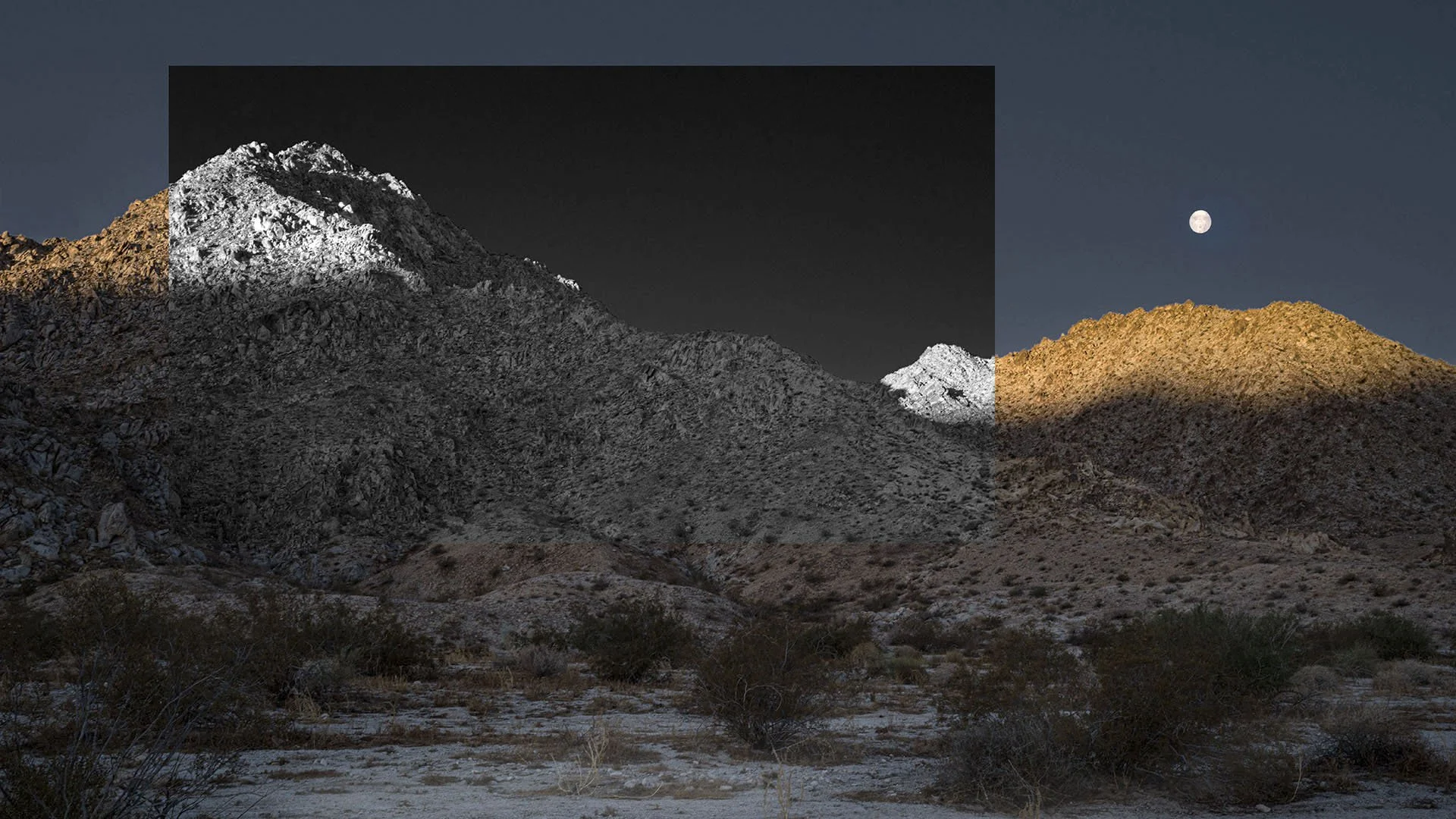
Sunset Moonrise
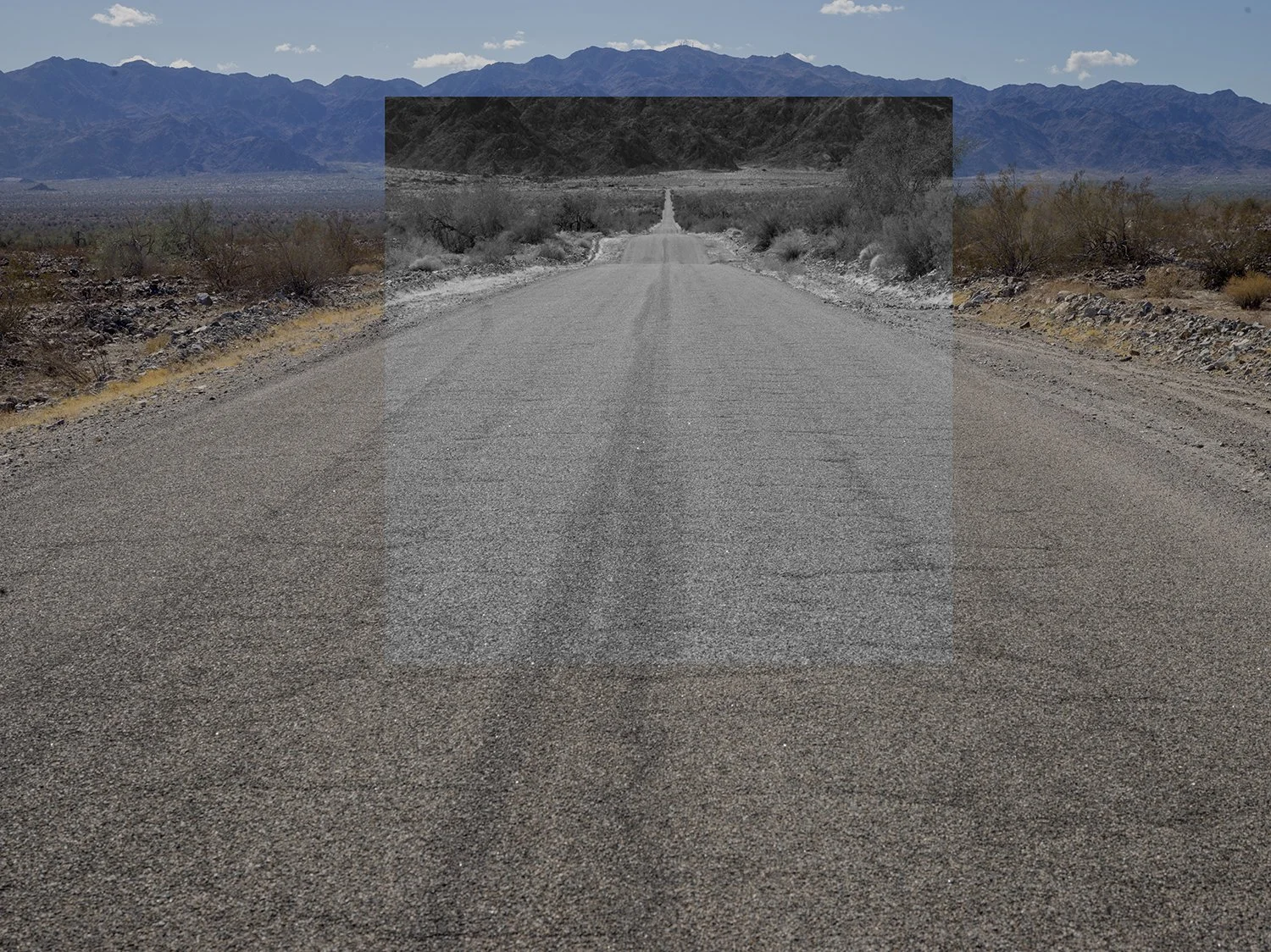
The Long and Winding Road
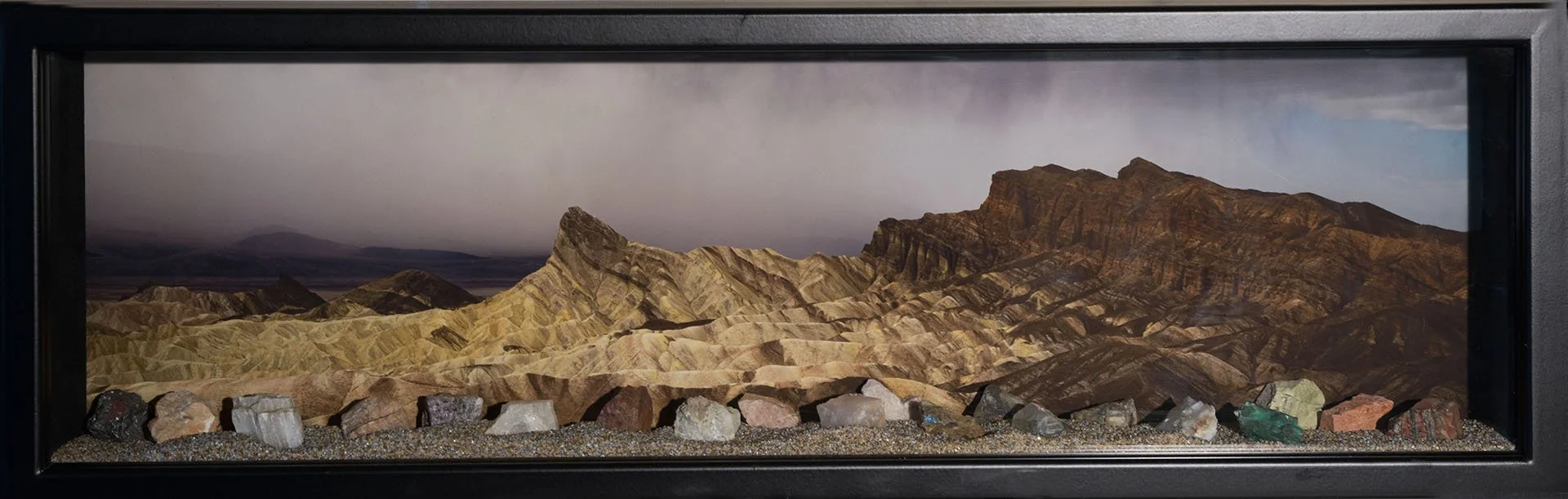
Zabriskie West
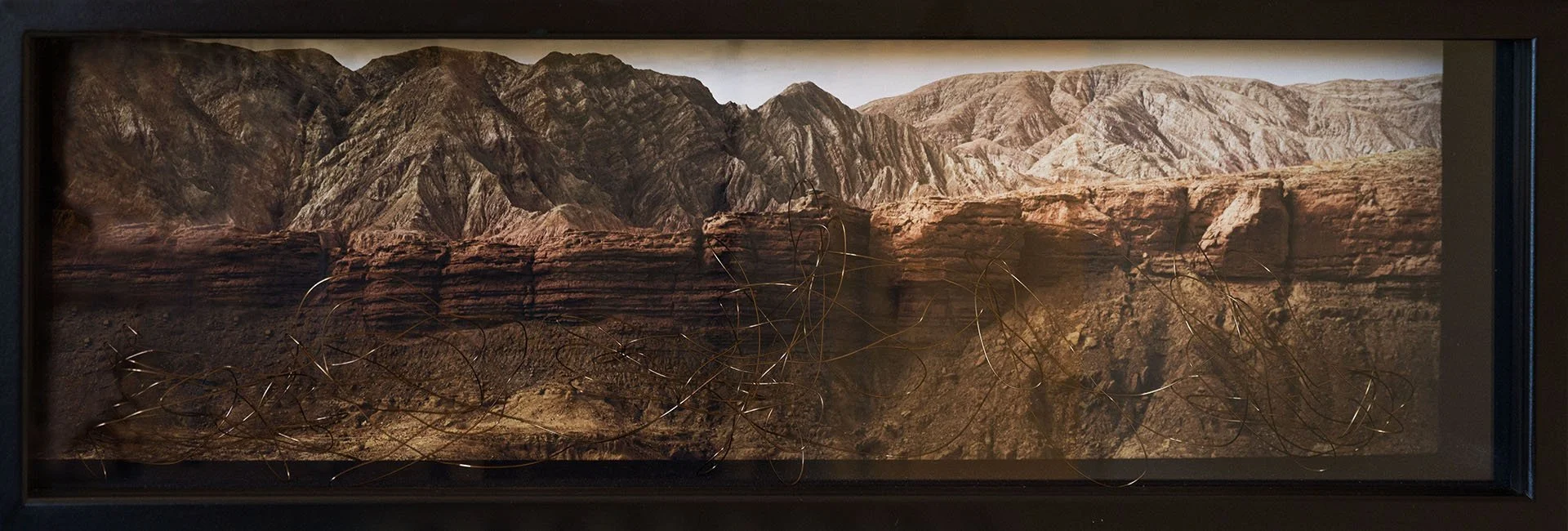
Red Ridge Copper
Desert Tree